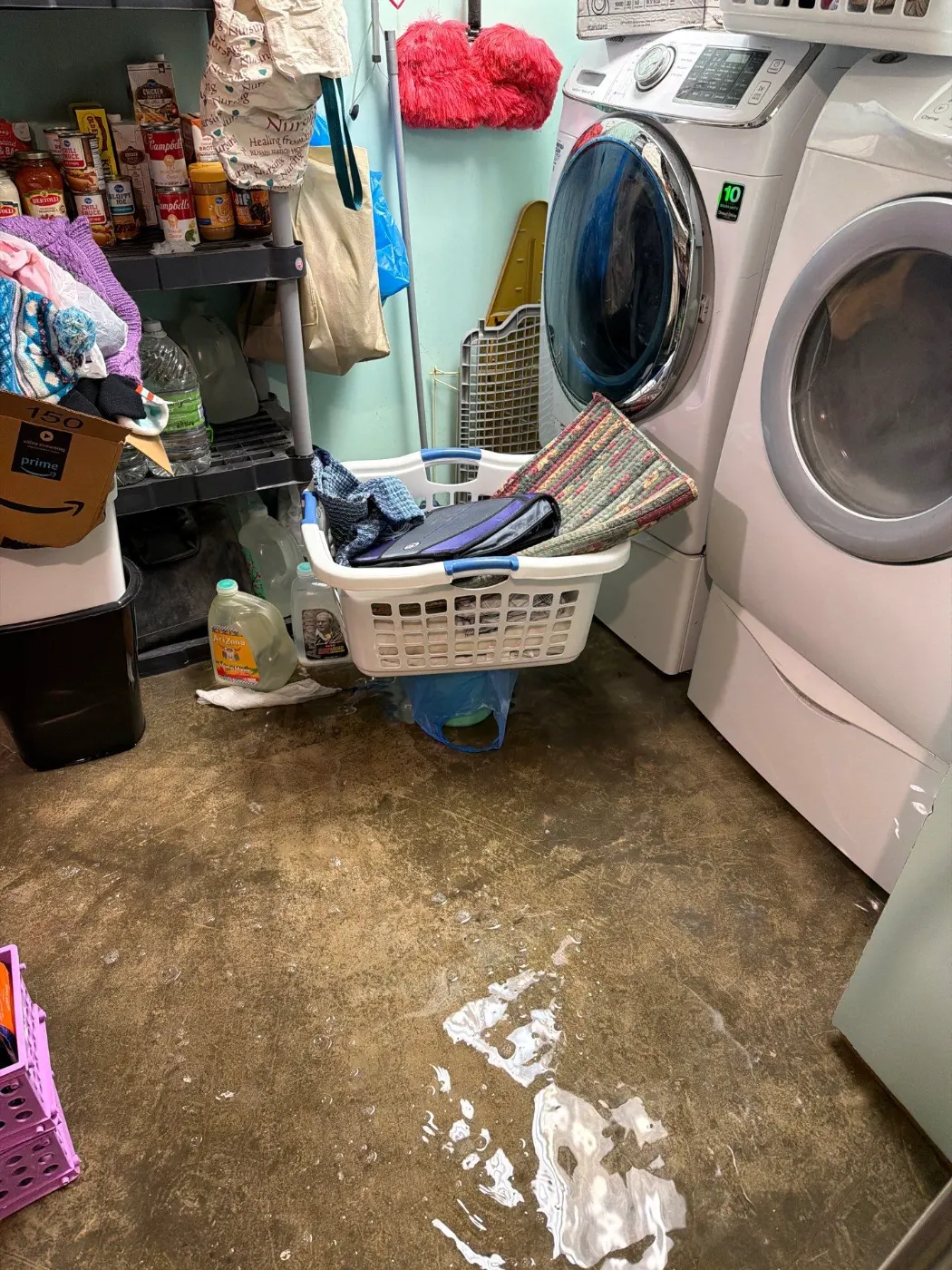
Commercial Storm Damage in Amo, IN
Property managers in Amo get the roof dried in and the floors below dried out from one call.
For Commercial Storm Damage in Amo, Amo Water Restoration brings the equipment, the certifications, and the paperwork: 24/7 response, written scopes, and insurance claim support. Call (317) 653-6821 for dispatch.
- Service: Commercial Storm Damage for Amo homeowners
- Service area: Amo, IN and surrounding areas
- Response time: Emergency water calls in Amo get crews rolling, not callbacks
- Licensed and insured (License #RC21100059)
- Serving Amo, IN since 2018
Commercial Storm Damage Cleanup in Amo
We'll secure and dry commercial buildings in Amo after a storm opens the roof or floods a lower level.
Storms Here
Spring and summer are severe thunderstorm season here. NWS Indianapolis posts summaries of past storms, which helps when your carrier asks for a date.
We respond to storm calls from businesses anywhere in Amo, including those around Amo Town Hall and Mill Creek West Elementary School. We also handle commercial storm damage in Clayton, Coatesville, Brownsburg and Danville.
Commercial Storm Damage for Amo Businesses
Wind lifts a corner of the membrane, rain drives in under it for a few hours, and by morning the insulation in the roof assembly is holding water that has nowhere to go. That water keeps releasing into the deck and the ceiling below for days. Amo Water Restoration dispatches to Amo, IN commercial properties within two hours to dry in the opening and pull readings through the assembly and the floors underneath.
Aaron Christy founded the company behind Amo Water Restoration in 2018. On commercial storm work in Amo, crews map moisture through the roof assembly and the floors below before anything gets cut, remove only what the readings support and log the drying daily. The final readings sit in the same file as the first map, so the before and after are easy to compare.
At your Amo storefront, the entry floor holds the most water, so the crew starts there. The water gets pulled off the tile or carpet, and a meter checks the threshold and the base of the door frames. Carpet tile that took on clean water can often be dried and reused, and the adhesive underneath gets checked before anything goes back down.
Policies set deadlines for reporting a loss and for submitting proof of loss, and the dates differ from one policy to the next. Your broker has them, so ask early. The records Amo Water Restoration keeps on your Amo job are dated from the first visit, which makes it easier to answer a request from the carrier when it comes.
Ownership is going to ask what this costs and how long the space is down. Call Amo Water Restoration and a crew dispatches to your Amo property, measures what's wet and gives you a drying timeline to work from. The team takes calls across central Indiana at any hour.
Signs You Need Commercial Storm Damage Restoration
If you notice any of these in your Amo building, schedule a free inspection before the issue worsens.
A roof drain or scupper running slow, gurgling, or ringed with debris and sediment
Water dripping from a light fixture, an air diffuser, or a sprinkler escutcheon after a hard rain
Interior glazing sealant that's cracked, pulled loose, or missing along a run of joints
Insulation batts above the ceiling grid that are compressed, matted, or dripping at the edges
Vinyl cove base curling or pulling away from the wall along an exterior wall
Wet or stained carpet along an interior column line with no plumbing fixture anywhere near it
Breakers tripping in a mechanical room or electrical room that sits under a roof penetration
Standing water in a rooftop unit's drain pan, or condensate running down the duct below it
The smell of damp cardboard in a stockroom that gets stronger after each heavy rain
Stored records or fixtures with wet edges or water stains along the bottom
How Amo Water Restoration Handles Commercial Storm Damage
We follow these steps in order on every Amo job.
Contents and Inventory Protection
Stock and equipment on wet floors get lifted onto blocking or moved to dry ground, with plastic over anything that has to stay. A photo list records what moved and where, which supports each tenant's own claim.
Containment and Air Control
Barriers go up at a corridor wall or partition line so one wet bay doesn't shut a whole floor. Negative air machines with HEPA filtration run where materials are coming out, and the crew keeps equipment clear of egress paths.
Dry Standard Verified
Affected materials have to match the dry standard measured in an unaffected part of the same building before equipment comes out. Final readings, photos and equipment run hours go in the file, and a punch walk sets what's left to rebuild.
Equipment Out and Space Release
As each area reaches its dry goal, the equipment comes out of it and the space goes back to the tenant. The release date and final readings for every area go in the file.
Closeout File and Walkthrough
A walkthrough with the property manager closes the job, and the crew hands over one organized file with the photos, the readings, the equipment run hours and the scope. Ownership and the carrier's reviewer can read it start to finish.
Commercial Storm Damage in Amo
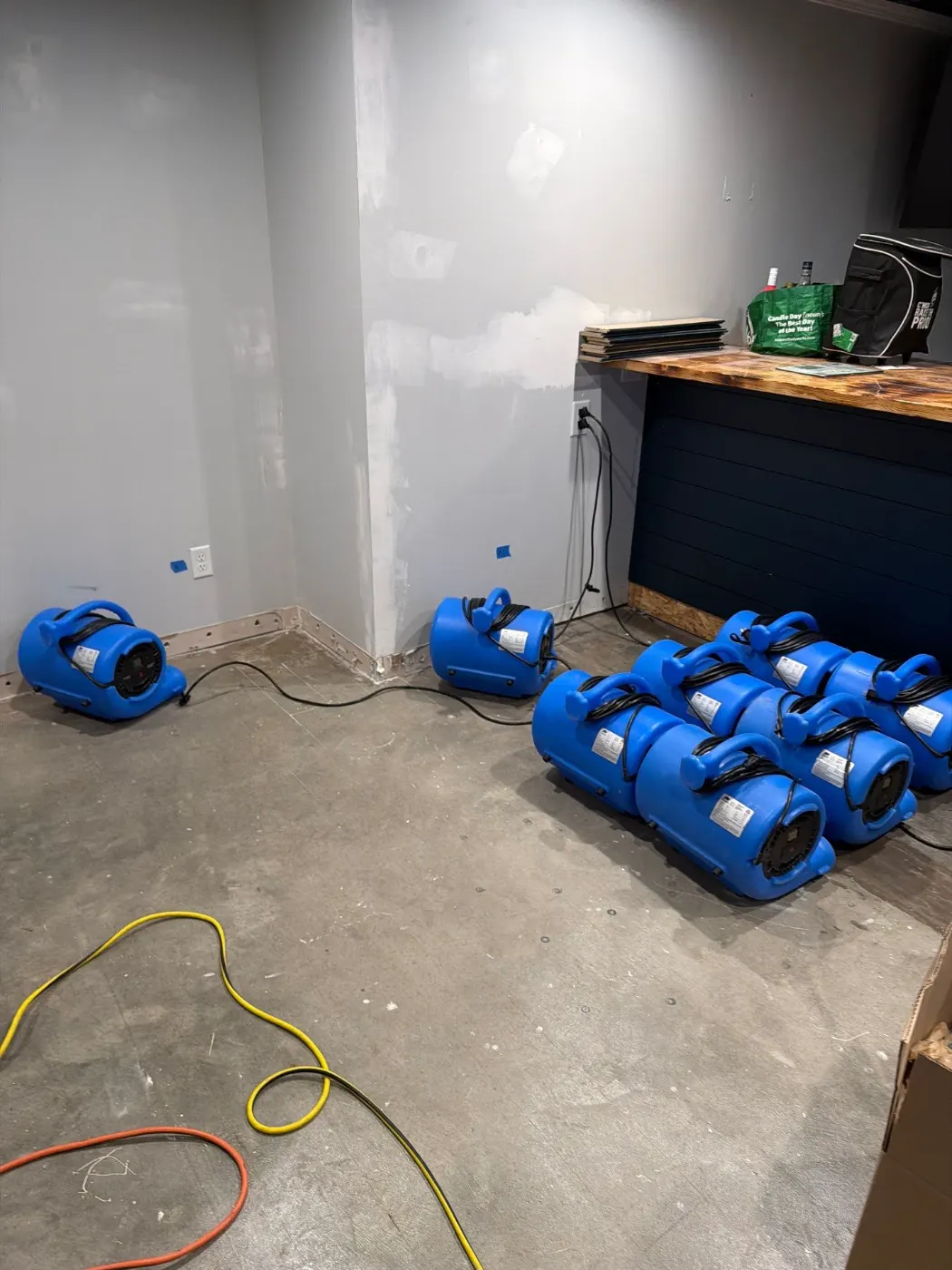
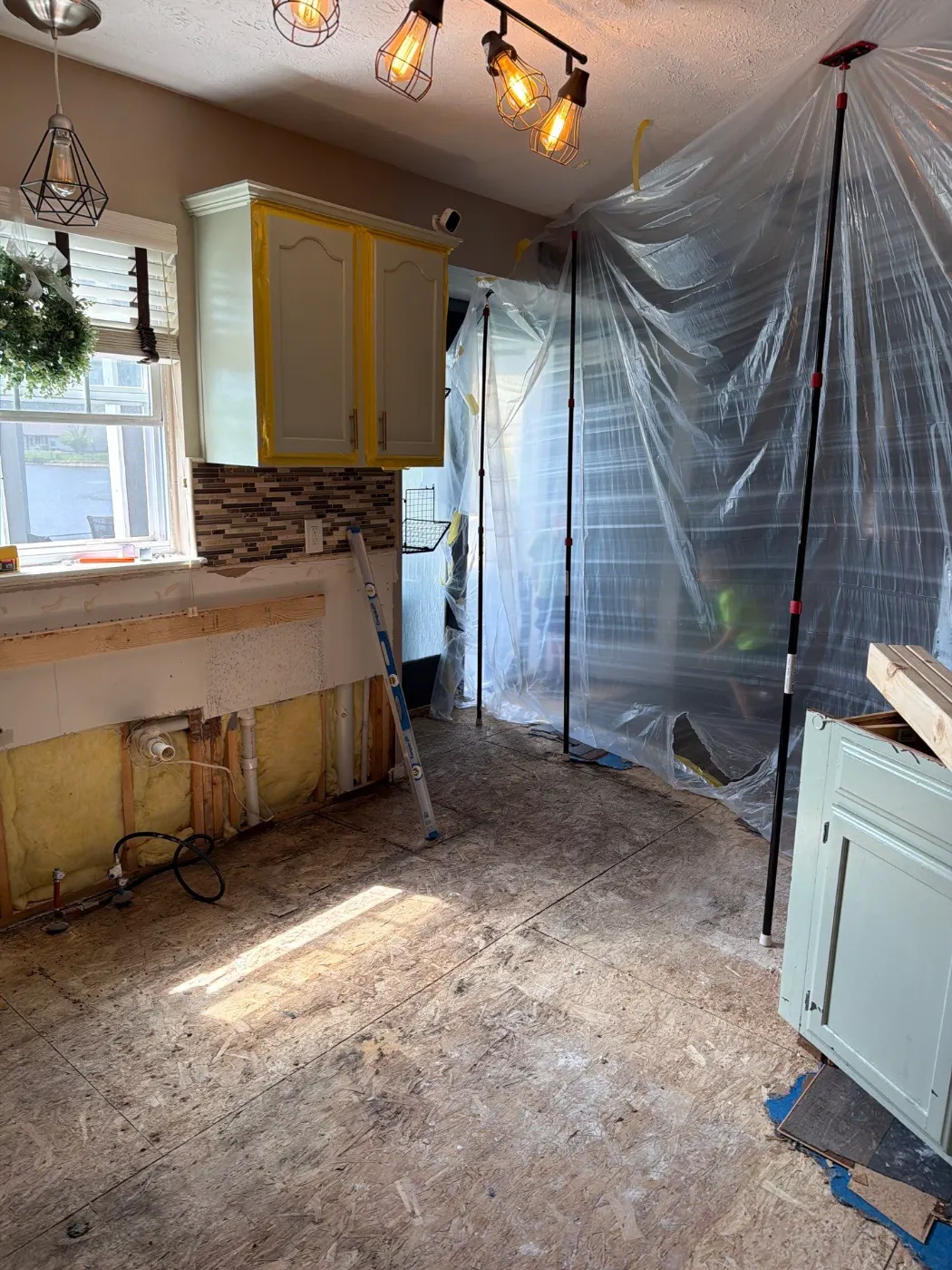
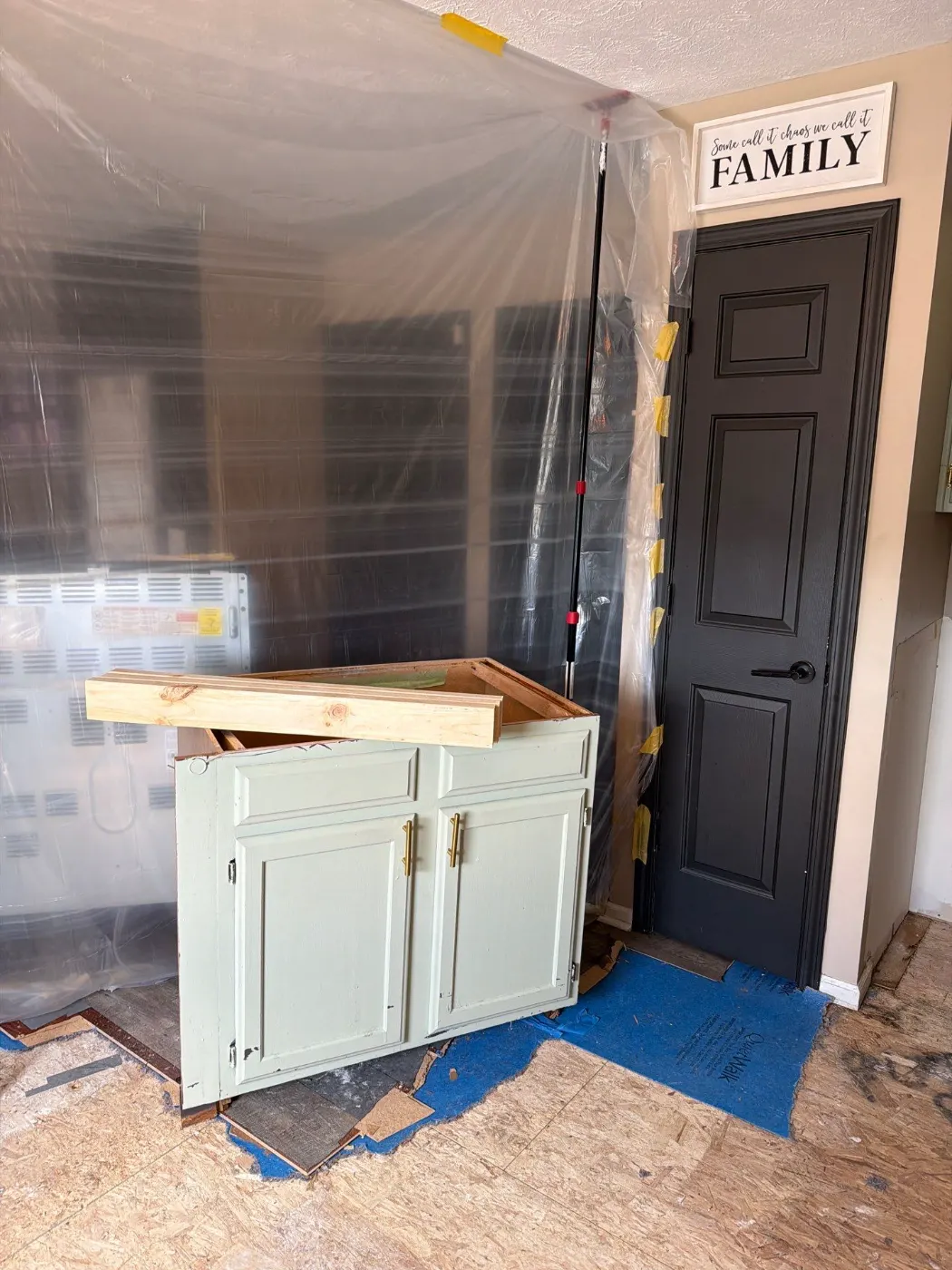
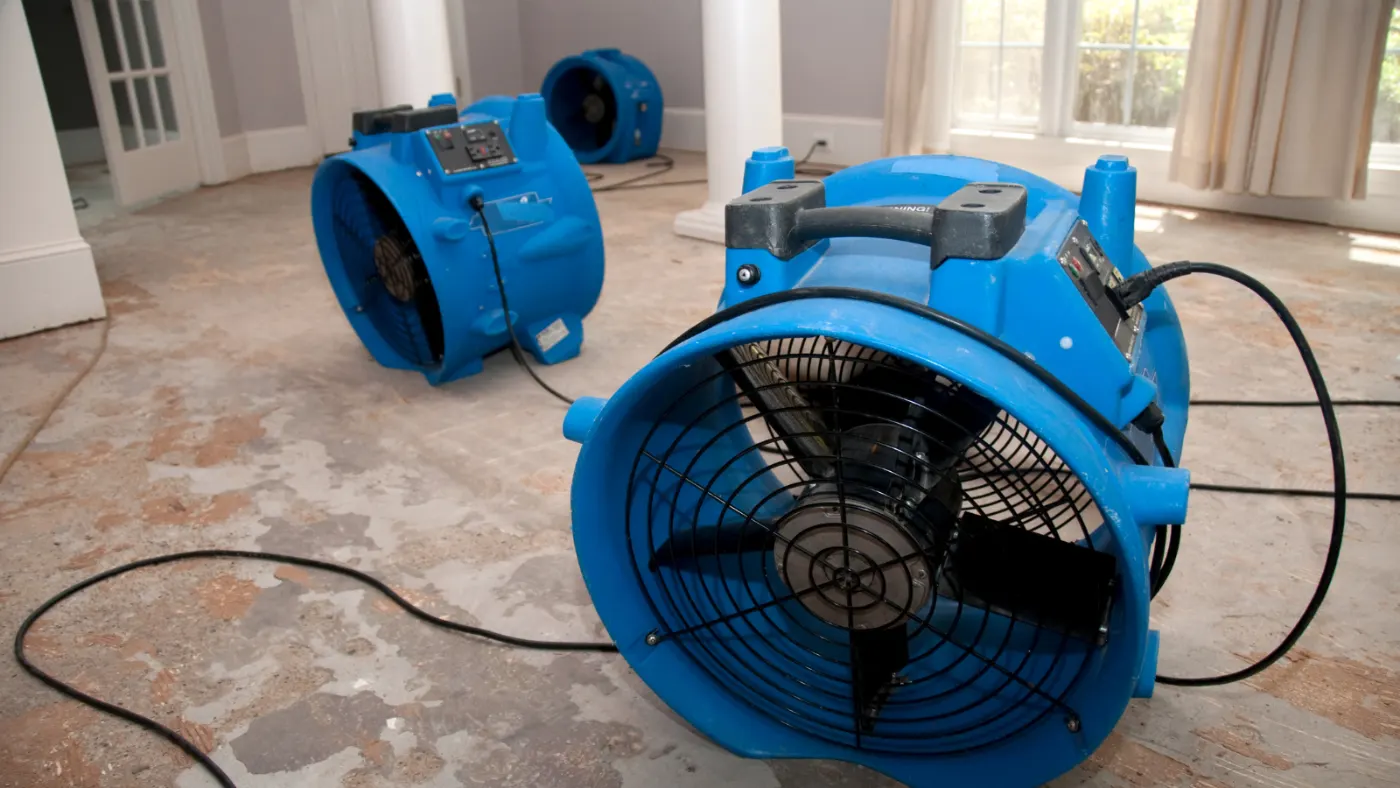
Photographs from real commercial storm damage jobs completed by our crew in Amo and surrounding areas.
Commercial Storm Damage FAQ
Questions Amo property managers ask us about commercial storm damage restoration.
Guidance and Standards for Commercial Storm Damage
- The National Weather Service office in Indianapolis posts summaries of recent central Indiana storm and flood events. NWS Indianapolis Event Summaries
- The ANSI/IICRC S500 is the published standard for professional water damage restoration. The current edition is the Fifth Edition, 2021. IICRC S500 Standard
Amo Neighborhoods We Serve
We take commercial storm damage calls in every part of Amo. Pick your neighborhood for local details.
Other Restoration Services in Amo
Amo Water Restoration handles the full scope of restoration work. Explore our other services below.
Water Damage Restoration in Amo
24/7 emergency response. IICRC certified water restoration from extraction to full dry out.
Learn more →Basement Flooding in Amo
Basement water emergencies handled fast. Extraction, drying, mold prevention.
Learn more →Sewage Cleanup in Amo
Category 3 biohazard cleanup. Full containment, decontamination, structural restoration.
Learn more →Request Commercial Storm Damage Restoration
Reach Us Directly
Our team is available 24/7 for emergencies and ready to schedule inspections during business hours.
Need Immediate Help?
For active water or mold emergencies, call us directly. We are available 24/7.